PulseAugur / Pulse
EN
LIVE 20:11:53

Pulse

last 48h
[36/36] 97 sources

What AI is actually talking about — clusters surfacing on Bluesky, Reddit, HN, Mastodon and Lobsters, re-ranked to elevate originality and crush noise.

  1. Google implements Gemini 3.5 model Live Translate, which allows for seamless audio translation in over 70 languages without manual setting changes. # si # ai # s

    Elon Musk is planning a massive orbital constellation of one million satellites to support AI, with the first 150 kW units potentially launching in 2027, though experts raise concerns about radiation and cost. Meanwhile, Google is rolling out Gemini 3.5 Live Translate, enabling seamless audio translation in over 70 languages without manual setting changes. Additionally, a new analytics platform called Mora has emerged from its closed phase, aiming to simplify data integration and reporting by combining natural language processing with SQL code access. AI

    IMPACT Elon Musk's ambitious satellite constellation aims to provide global AI infrastructure, while Google's Gemini 3.5 Live Translate enhances AI's multilingual communication capabilities.
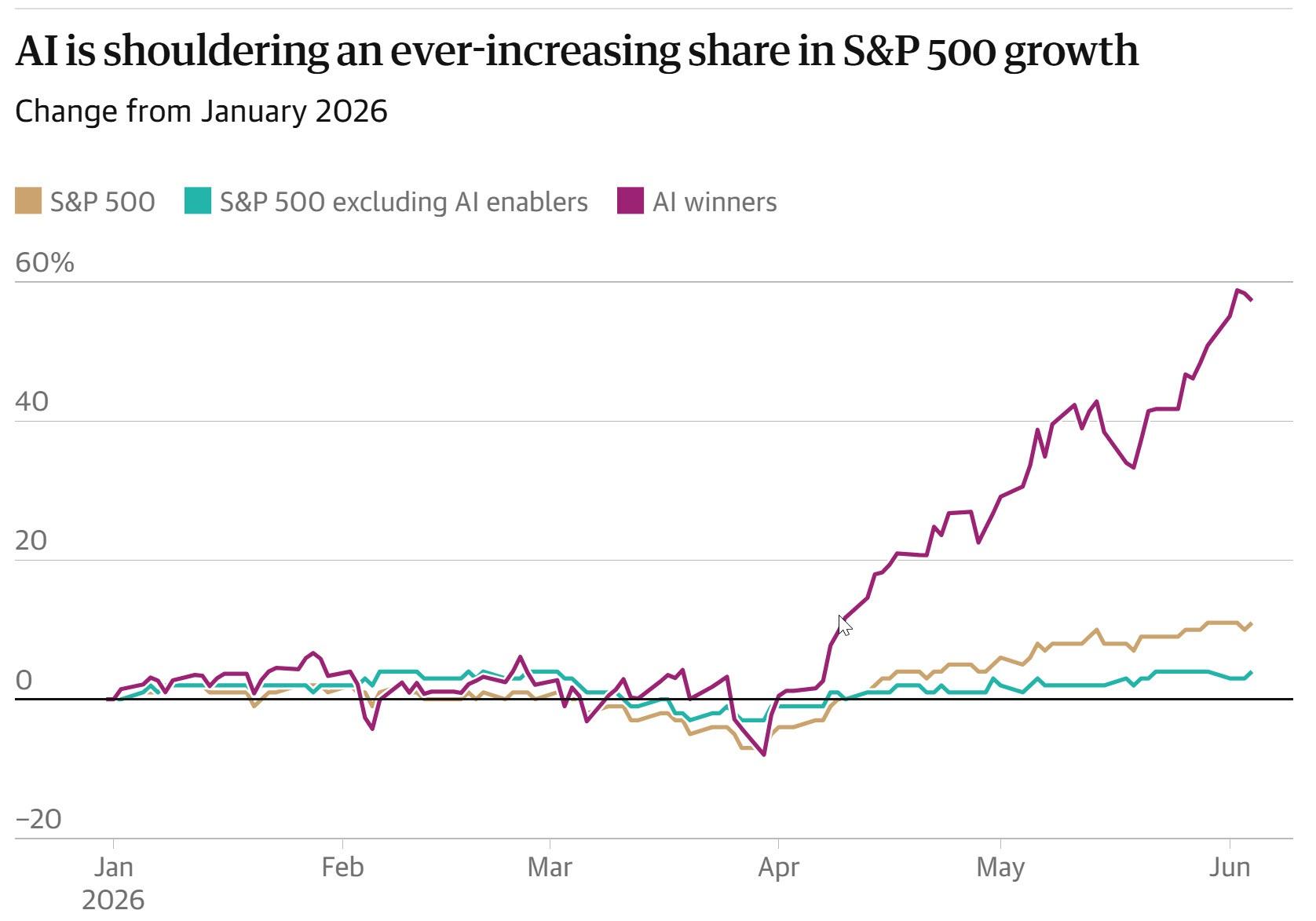
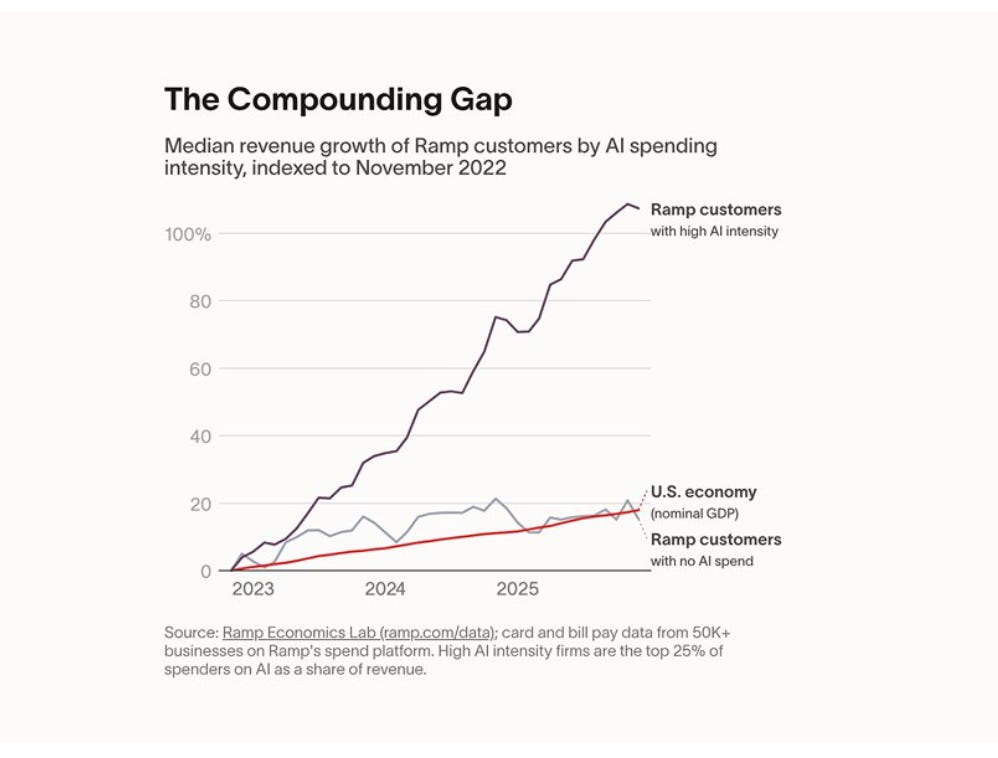
  2. Billions Spent And Hypothetical Returns: The AI Boom Explained With Six Charts (expenditure is growing fast and consumer take-up accelerating; but alarm bells a

    A new research paper explores using rainfall time series and functional regression for predicting regional landslides, with potential applications in early warning systems. Separately, an analysis of the AI boom highlights massive expenditures on infrastructure like datacenters, which are significantly boosting GDP. While AI adoption is accelerating, the article raises concerns about the sustainability of this spending and the increasing cost of using AI models. AI

    Billions Spent And Hypothetical Returns: The AI Boom Explained With Six Charts (expenditure is growing fast and consumer take-up accelerating; but alarm bells a

    IMPACT Massive AI infrastructure spending is propping up GDP, but rising costs and adoption rates raise questions about long-term sustainability.

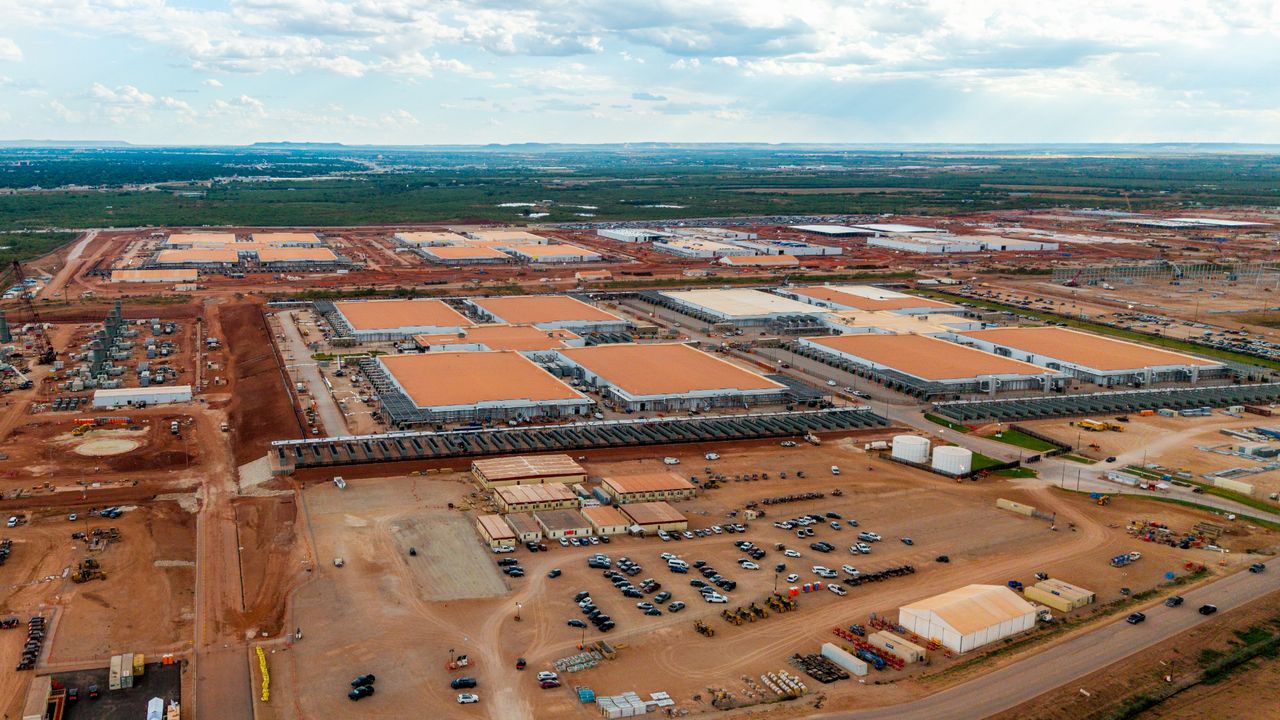
  3. 🚀 SpaceX unveils Gigasat: an orbital factory to bring AI into space and rethink computing, data, and infrastructure beyond Earth. #SpaceX #AI 🔗 https://w

    SpaceX has unveiled its Gigasat factory in Texas, a massive 11-million-square-foot facility dedicated to producing AI satellites for orbital data centers. The company, led by Elon Musk, aims to achieve an annual production rate of 1 gigawatt (GW) of space-based AI compute capacity by the end of 2027, with ambitious plans to scale to 100 GW per year by 2030. This initiative involves vertically integrating the manufacturing of satellite components, including solar arrays and compute payloads, to support its goal of providing vast AI computing power from space. AI

    IMPACT Accelerates the development of large-scale, solar-powered AI compute infrastructure in orbit, potentially reshaping data center economics and capabilities.

  4. Apple’s AI pitch will live or die by its privacy promise

    Apple is emphasizing privacy with its new AI features, dubbed Apple Intelligence, which integrate across its devices. While aiming for on-device processing, queries requiring more power will use a secure Private Cloud Compute system. This system, however, now relies on Google Cloud infrastructure and Nvidia GPUs, a departure from its initial in-house Apple silicon focus. Apple asserts that its data handling remains private and secure, even with third-party hardware involvement, differentiating itself from competitors by prioritizing user privacy. AI

    Apple’s AI pitch will live or die by its privacy promise

    IMPACT Sets a new benchmark for AI privacy in consumer tech, potentially influencing competitor strategies and user expectations.

  5. This AI agent startup ditched Anthropic for DeepSeek — and says it’s saving millions The biggest blocker to sustainable AI deployment has emerged as inference c

    An AI agent startup has switched its primary model provider from Anthropic to DeepSeek, citing significant cost savings on inference. The company claims this move addresses the growing challenge of sustainable AI deployment, which is increasingly hampered by high inference expenses. This decision highlights a trend where cost-effectiveness is becoming a major factor in selecting AI infrastructure. AI

    This AI agent startup ditched Anthropic for DeepSeek — and says it’s saving millions The biggest blocker to sustainable AI deployment has emerged as inference c

    IMPACT This shift signals that inference costs are a major concern for AI operators, potentially driving further adoption of more cost-effective models.

  6. Amazon employees ask Seattle to put the brakes on new data centers On Tuesday, the Seattle City Council will vote on whether to enact a one-year moratorium on n

    Amazon employees are urging Seattle to implement a one-year moratorium on new data centers, citing concerns about the environmental and resource costs associated with the rapid expansion of AI development. These employees, part of the "Amazon Employees for Climate Justice" group, testified before the Seattle City Council, highlighting issues like water consumption and electricity prices. They advocate for stricter standards and responsible energy sourcing for data centers, arguing that the pursuit of AI should not come at the expense of environmental goals. AI

    IMPACT Employee activism highlights the growing resource strain of AI development, potentially influencing local policy and corporate sustainability practices.

  7. RT @rohanpaul_ai: TRANSLATION: Information reports that Google has selected Intel to manufacture over 3 million Google TPUs in 2028. More at

    Google has reportedly placed a significant order for at least three million chips from Intel, with deliveries expected in 2028. This move comes as TSMC faces challenges in meeting the high demand driven by the AI boom. The order suggests a potential payoff for Intel's foundry services amidst intense competition in the semiconductor market. AI

    IMPACT Secures critical AI hardware supply for Google, potentially easing supply chain constraints for AI development.

  8. CATL Invests in DeepSeek: Zeng Yuqun's AI Energy Strategy Takes Shape

    CATL, a major battery manufacturer, has invested in DeepSeek's initial funding round, signaling its strategic expansion into the artificial intelligence sector. Chairman Zeng Yuqun is directing approximately $1 billion towards AI data center energy infrastructure, including power transmission and data center operators. This move strategically positions CATL at the nexus of energy storage and AI infrastructure. AI

    CATL Invests in DeepSeek: Zeng Yuqun's AI Energy Strategy Takes Shape

    IMPACT Positions CATL to capitalize on the growing energy demands of AI data centers, potentially influencing hardware supply chains.

  9. Xiaomi Launches MiMo-V2.5-Pro-UltraSpeed Mode

    Xiaomi's MiMo team, in collaboration with TileRT, has released MiMo-V2.5-Pro-UltraSpeed, a 1-trillion-parameter AI model capable of generating over 1000 tokens per second on standard GPUs. This significant speedup is achieved through a combination of FP4 quantization, DFlash speculative decoding, and the TileRT serving system, an approach they term extreme model-system codesign. The model's enhanced speed is particularly beneficial for latency-sensitive applications like coding agents and real-time decision-making systems. AI

    IMPACT Accelerates development of real-time AI applications and reduces hardware costs for deploying large models.

  10. Alberta First Nation in court over massive proposed ‘Wonder Valley’ AI data centre The $70-billion Wonder Valley project backed by celebrity investor Kevin O’Le

    A First Nation in Alberta is taking legal action against the proposed $70 billion "Wonder Valley" AI data center project. This massive industrial park, backed by investor Kevin O'Leary, aims to be the world's largest of its kind. The First Nation's opposition centers on environmental concerns related to the project's scale and impact. AI

    Alberta First Nation in court over massive proposed ‘Wonder Valley’ AI data centre The $70-billion Wonder Valley project backed by celebrity investor Kevin O’Le

    IMPACT Potential environmental and land-use conflicts may slow or halt large-scale AI infrastructure development.

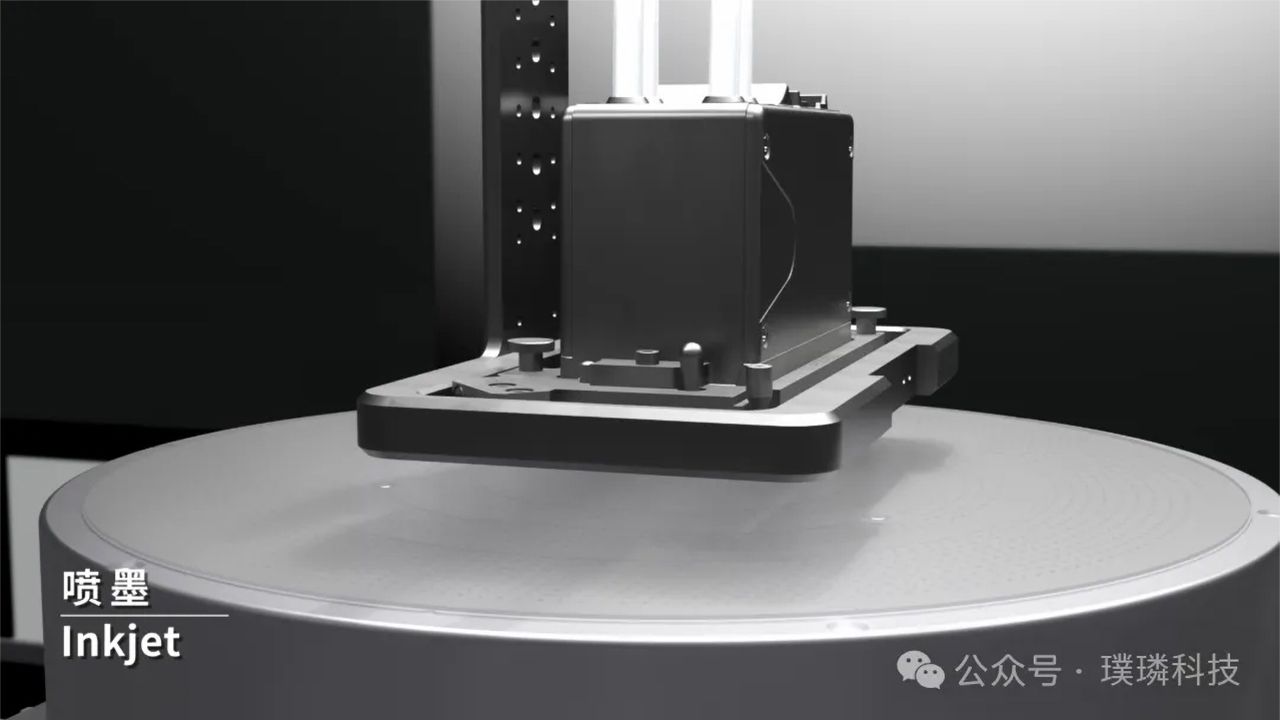
  11. Chinese startup claims photonic chip production without DUV lithography, says nanoimprint process cuts costs by 90% — 8-inch wafers produced without conventional optical lithography

    Chinese startup Prinano has announced a breakthrough in photonic chip production, utilizing a novel nanoimprint lithography (NIL) process. This method reportedly bypasses the need for expensive deep-ultraviolet (DUV) lithography equipment, cutting manufacturing costs by approximately 90%. The company has successfully produced 8-inch photonic chip wafers, a significant development that could help circumvent US export restrictions on advanced semiconductor technology. AI

    Chinese startup claims photonic chip production without DUV lithography, says nanoimprint process cuts costs by 90% — 8-inch wafers produced without conventional optical lithography

    IMPACT This advancement in photonic chip manufacturing could accelerate the development of more efficient AI hardware by reducing production costs and circumventing export controls.

  12. The UK Is Betting on a Billion-Dollar AI Supercomputer to Kick Its Addiction to US Tech

    The UK government is investing $1.47 billion to establish a national AI supercomputer and bolster its domestic AI hardware industry. This initiative aims to reduce reliance on foreign technology, particularly from the US, by prioritizing British startups in the procurement of specialized inference chips. The supercomputer, expected to be operational by 2030, is part of a broader strategy to enhance the UK's AI sovereignty and resilience in a shifting geopolitical landscape. AI

    The UK Is Betting on a Billion-Dollar AI Supercomputer to Kick Its Addiction to US Tech

    IMPACT Aims to foster a domestic AI hardware ecosystem, potentially reducing reliance on foreign suppliers and creating leverage.

  13. Demand for data center CPUs has surged, and AI agents are responsible – why the CPU to GPU ratio is more important than ever for hyperscalers

    The demand for data center CPUs has significantly increased, driven by the rise of AI agents. While GPUs have been the primary focus for AI workloads, CPUs are now recognized as crucial for handling the "everything else," including operating systems, workload scheduling, and continuous, sustained operations required by agentic AI. This shift is altering the traditional CPU-to-GPU ratio in data center infrastructure, with AMD reporting a doubling of its CPU market growth forecast to 35% annually, projecting a $120 billion market by the end of the decade. AI

    Demand for data center CPUs has surged, and AI agents are responsible – why the CPU to GPU ratio is more important than ever for hyperscalers

    IMPACT Accelerates demand for high-core-count CPUs in data centers, impacting infrastructure planning and hardware procurement for AI workloads.

  14. Most new U.S. AI data centers are being built in drought zones — two-thirds of 809 planned projects set for areas with water shortages

    A significant portion of new AI data centers in the U.S. are being constructed in regions experiencing drought conditions. Approximately two-thirds of the 809 planned data centers are located in areas that have faced water shortages over the past year. While data center cooling accounts for a smaller percentage of AI's water demand, the fabrication of chips and the power generation required to run them contribute substantially to the overall water footprint, particularly in water-scarce locations. AI

    Most new U.S. AI data centers are being built in drought zones — two-thirds of 809 planned projects set for areas with water shortages

    IMPACT Concentrates AI infrastructure in water-scarce regions, potentially exacerbating existing water access conflicts and necessitating new regulatory approaches.

  15. Jeff Bezos Is Funding a Wild Hunt for the Brain’s ‘Core Algorithm’

    Jeff Bezos is investing $500 million in Flourish, a new startup focused on "neuro AI." The company aims to advance artificial intelligence by studying the brain's architecture. Flourish has reportedly achieved a valuation of $2.5 billion with this funding round. AI

    Jeff Bezos Is Funding a Wild Hunt for the Brain’s ‘Core Algorithm’

    IMPACT This investment could accelerate research into brain-inspired AI architectures, potentially leading to new AI paradigms.

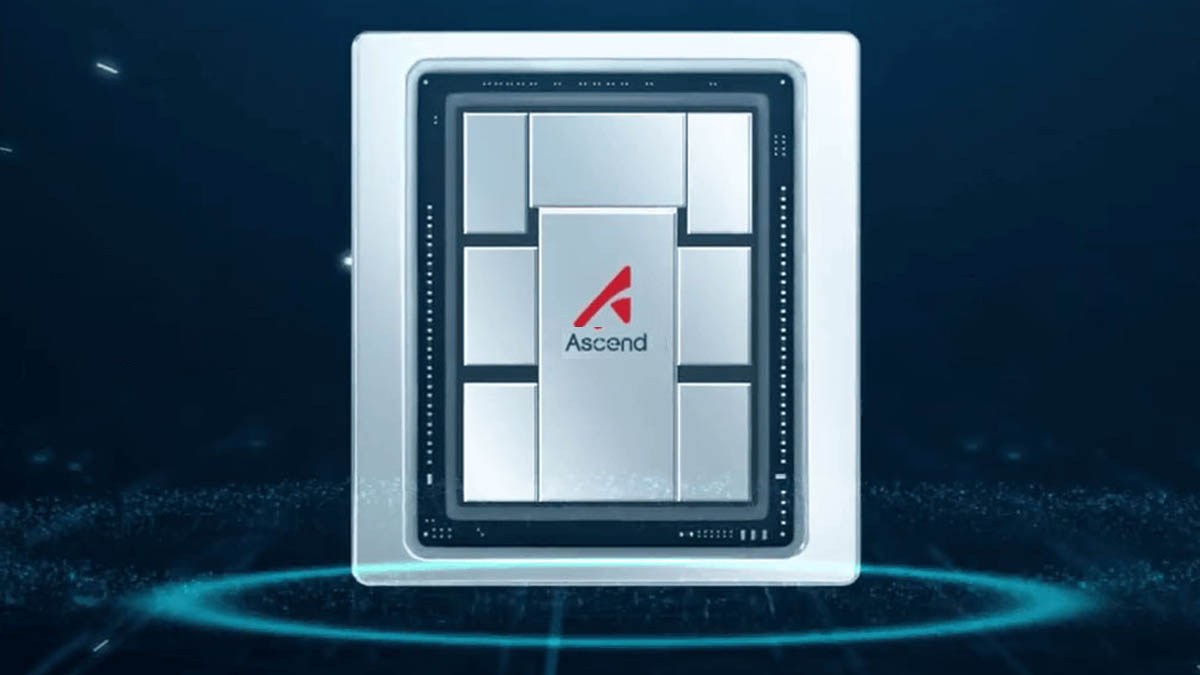
  16. DeepSeek-V4-Pro successfully post-trained on Huawei's cutting-edge chip "Ascend 910C", not NVIDIA, revealing China's AI self-reliance advancement – GIGAZINE https://www.yayafa.com/2817979/ # AgenticAi # AI # ArtificialGenera

    Meta is exploring new revenue streams beyond advertising by developing AI agents. These agents are intended to function as a new 'money-making machine,' potentially diversifying the company's income sources. Meanwhile, Chinese AI development is advancing with DeepSeek-V4-Pro successfully trained on Huawei's Ascend 910C chips, signaling progress in the nation's pursuit of AI independence. AI

    DeepSeek-V4-Pro successfully post-trained on Huawei's cutting-edge chip "Ascend 910C", not NVIDIA, revealing China's AI self-reliance advancement – GIGAZINE https://www.yayafa.com/2817979/ # AgenticAi # AI # ArtificialGenera

    IMPACT Meta's pivot to AI agents signals a potential shift in business models, while China's progress with Huawei chips highlights growing competition in AI infrastructure.

  17. https://www.walknews.com/1318794/ Goldman Sachs AM Focuses on South Korea and Taiwan as Next Promising AI Investment Destinations #ai #ETF #GoldmanSachsAssetManagement #SouthKorea #Semiconductor #Taiwan #RepublicOfKorea #EmergingMarkets #SouthKorea

    Goldman Sachs Asset Management is focusing its artificial intelligence investment strategy on South Korea and Taiwan. The firm sees significant potential in these regions, particularly within the semiconductor industry, as key areas for future AI development and growth. This strategic focus indicates a global shift in investment priorities towards advanced technology hubs. AI

    https://www.walknews.com/1318794/ Goldman Sachs AM Focuses on South Korea and Taiwan as Next Promising AI Investment Destinations #ai #ETF #GoldmanSachsAssetManagement #SouthKorea #Semiconductor #Taiwan #RepublicOfKorea #EmergingMarkets #SouthKorea

    IMPACT This strategic focus by Goldman Sachs could channel significant capital into AI infrastructure and semiconductor development in South Korea and Taiwan, potentially accelerating innovation in these regions.

  18. The Open Source Community is backing OpenEnv for Agentic RL

    Hugging Face is spearheading the OpenEnv initiative to standardize agentic reinforcement learning environments for open-source AI models. This project, now under a committee including Meta, Nvidia, and others, aims to replicate the tight integration seen between proprietary models and their training harnesses. OpenEnv will serve as a protocol layer, ensuring compatibility across various environments and agent frameworks, rather than dictating reward mechanisms. AI

    IMPACT Standardizes agentic RL environments, enabling more efficient training and generalization for open-source models.

  19. Data centers water consumption breaks 264,000,000,000 gallons in 2025, as devastating drought hits nearly 63% of USA https://www. barchart.com/story/news/233983

    Data centers are projected to consume 264 billion gallons of water in 2025, a significant amount that exacerbates existing drought conditions across nearly 63% of the United States. This high water usage is primarily driven by the increasing demand for AI and computing infrastructure. The situation highlights a growing tension between technological advancement and environmental sustainability, particularly in water-scarce regions. AI

    IMPACT Exacerbates environmental strain, potentially leading to regulatory scrutiny or shifts in data center location strategies for AI workloads.

  20. https://www. europesays.com/3047218/ CoreWeave Pushes Into Agentic AI Stack To Deepen Enterprise Stickiness # AgenticAI # AgenticArtificialIntelligence # AI # A

    Microsoft has introduced its new quantum chip, Majorana 2, signaling advancements in quantum computing capabilities. Concurrently, CoreWeave is expanding its agentic AI stack to enhance enterprise engagement and retention. These developments highlight a dual focus on foundational AI hardware and the surrounding software infrastructure. AI

    IMPACT Advances in quantum computing and agentic AI infrastructure signal potential shifts in AI development and deployment capabilities.

  21. The AI boom might hit a bump due to data-center power constraints! The electricity bottleneck is set to change the landscape of tech valuations. We need sustain

    The rapid expansion of AI is driving an unprecedented surge in data center power consumption across the United States. A Business Insider analysis indicates that data centers permitted through 2025 could collectively use between 224.3 and 358.8 terawatt-hours of electricity annually, a 50% increase year-over-year. This demand is largely fueled by hyperscale facilities and the immense computing needs of tech giants pursuing AI ambitions. The number of new data center permits issued in 2025 reached a record high, with many of these massive facilities planned for rural areas. AI

    IMPACT Accelerates demand for energy infrastructure and highlights the environmental footprint of AI development.

  22. Huawei confirms Ascend 950DT AI chip to debut in August Huawei has now confirmed that the Ascend 950DT will debut in August this year, while coming into use by

    Huawei is set to release its Ascend 950DT AI chip in August, with deployment expected by the fourth quarter. This chip features integrated High Bandwidth Memory (HBM), a significant development for Huawei's AI hardware capabilities. The Ascend 950DT aims to bolster Huawei's position in the competitive AI chip market. AI

    Huawei confirms Ascend 950DT AI chip to debut in August Huawei has now confirmed that the Ascend 950DT will debut in August this year, while coming into use by

    IMPACT This release could intensify competition in the AI chip market, potentially impacting supply chains and the development of AI applications.

  23. AI Infrastructure What does Google's $920M/month deal with SpaceX mean for AI developers? Get the inside scoop on the future of cloud computing and AI infrastru

    SpaceX and Google have finalized a significant cloud computing deal where Google will pay SpaceX $920 million monthly for access to approximately 110,000 NVIDIA GPUs and other computing resources. This agreement, set to run from October 2026 to June 2029, is intended to bridge Google's surging demand for its Gemini Enterprise AI platform. The deal highlights the intense scarcity of AI infrastructure and the growing interdependence of major tech companies in securing necessary computing power, occurring just before SpaceX's anticipated IPO. AI

    AI Infrastructure What does Google's $920M/month deal with SpaceX mean for AI developers? Get the inside scoop on the future of cloud computing and AI infrastru

    IMPACT Secures critical compute for Google's AI services, highlighting industry-wide AI infrastructure scarcity and interdependence.

  24. New York lawmakers pass one-year ban on new data centers The New York State legislature passed a one-year moratorium on new large data centers, the first statew

    New York lawmakers have passed a bill instituting a one-year moratorium on the construction of new large data centers, pending the governor's signature. This measure, aimed at allowing policymakers time to assess environmental and energy impacts, is the first of its kind at the state level. The bill requires public hearings for new projects and mandates environmental impact reports, while industry groups express concerns about economic repercussions. AI

    IMPACT This moratorium could slow AI development by limiting compute infrastructure growth in a major tech hub.

  25. Pinterest signs $4 billion AWS deal to scale AI for 600 million users # AI # ArtificialIntelligence

    Pinterest has committed to spending $4 billion with Amazon Web Services (AWS) through 2031. This significant investment will be used to scale the company's AI capabilities, particularly for its visual search features. The deal leverages AWS's Trainium and Graviton chips to support the AI models that power Pinterest's platform for over 600 million users. AI

    Pinterest signs $4 billion AWS deal to scale AI for 600 million users # AI # ArtificialIntelligence

    IMPACT This deal will enable Pinterest to significantly enhance its AI-driven visual search and discovery features for its massive user base.

  26. AI Will Consume as Much Water as a Billion People By 2030, UN Report Estimates https://www. byteseu.com/2083758/ # AI # ArtificialIntelligence

    A United Nations report projects that by 2030, data centers supporting artificial intelligence will consume 945 terawatt-hours of electricity, a significant increase. This surge in AI development is also expected to double water consumption, potentially requiring 9.3 trillion liters annually, which is equivalent to the basic domestic water needs of 1.3 billion people in Sub-Saharan Africa. The report highlights that AI is not just software but also physical infrastructure with substantial environmental costs in terms of energy, water, and land use. AI

    AI Will Consume as Much Water as a Billion People By 2030, UN Report Estimates https://www. byteseu.com/2083758/ # AI # ArtificialIntelligence

    IMPACT Highlights the substantial and growing physical resource demands of AI, potentially impacting global water and energy availability.

  27. Google's TurboQuant: The Memory Stock Crash Google's TurboQuant algorithm reduces LLM memory needs by 6x. Samsung, SK Hynix, and Micron got hammered. The trilli

    Google has developed an algorithm called TurboQuant that significantly reduces the memory requirements for large language models. This innovation can decrease memory needs by up to six times. The development has reportedly impacted memory chip manufacturers like Samsung, SK Hynix, and Micron, causing their stock prices to fall. AI

    IMPACT Reduces memory demands for LLMs, potentially lowering hardware costs and enabling more efficient deployment.

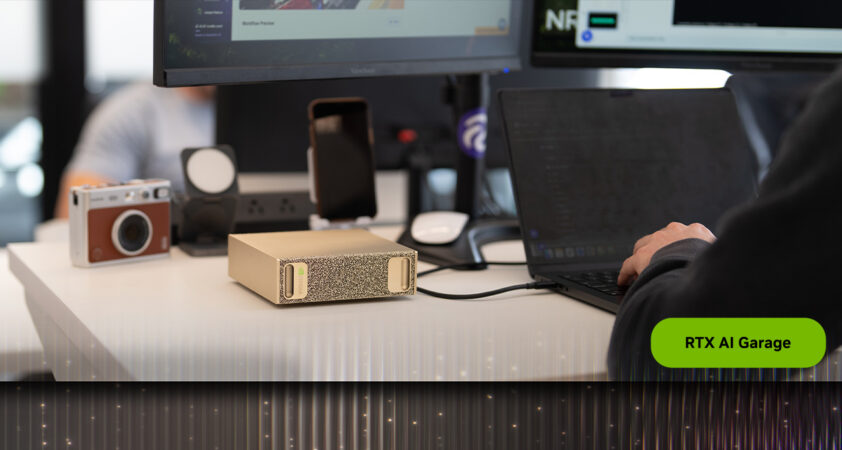
  28. NVIDIA Levels Up Local AI Agents Across RTX PCs and DGX Spark

    NVIDIA is expanding its AI infrastructure and agentic AI capabilities through strategic partnerships and new product releases. The company is collaborating with the UK government and various partners to build sovereign AI deployments, including the powerful Isambard-AI supercomputer. In South Korea, NVIDIA is working with LG Group to develop AI factories for robotics and autonomous driving, while also partnering with Doosan Group on similar initiatives. Additionally, NVIDIA is enhancing local AI agent deployment on Windows PCs with new hardware like RTX Spark and DGX Station, and integrating its NemoClaw framework across its Jetson platform for edge AI applications. AI

    NVIDIA Levels Up Local AI Agents Across RTX PCs and DGX Spark

    IMPACT NVIDIA's expanded AI infrastructure and agentic AI capabilities will accelerate development and deployment across various industries and edge devices.

  29. Nvidia’s AI Hardware Comes to Windows in RTX Spark PCs

    Nvidia has launched its RTX Spark superchip, bringing its Grace Blackwell GB10 hardware to Windows PCs. This new chip features 20 Arm CPU cores, 6,144 GPU cores, and supports up to 128GB of unified memory, aiming to compete with Apple's M-series and AMD's Ryzen AI chips. Microsoft is a key partner, with new Surface devices featuring RTX Spark, and the chip is designed to power advanced on-device AI experiences. AI

    Nvidia’s AI Hardware Comes to Windows in RTX Spark PCs

    IMPACT Nvidia's RTX Spark aims to bring powerful on-device AI capabilities to Windows PCs, potentially shifting the landscape for AI-powered applications and user experiences.

  30. 📈 The tech crash doesn't stop NVIDIA: AI is still in its infancy. Between volatility and chips, the real game is played in the long run. # NVIDIA # AI 🔗 https://www. tom

    Nvidia's CEO Jensen Huang has highlighted a new trillion-dollar growth opportunity in AI chips, sparking discussions about the company's future valuation and market position. Several reports predict that specific AI semiconductor stocks may outperform Nvidia in the coming years. Meanwhile, companies like LG Group are significantly increasing their adoption of Nvidia GPUs, with LG planning to use 10,000 units, and ASUS is integrating Nvidia's AI Factory Platform to accelerate revenue generation. AI

    IMPACT Nvidia's strategic focus on AI chips and increasing adoption by major corporations like LG and ASUS signal continued growth and competition in the AI hardware sector.

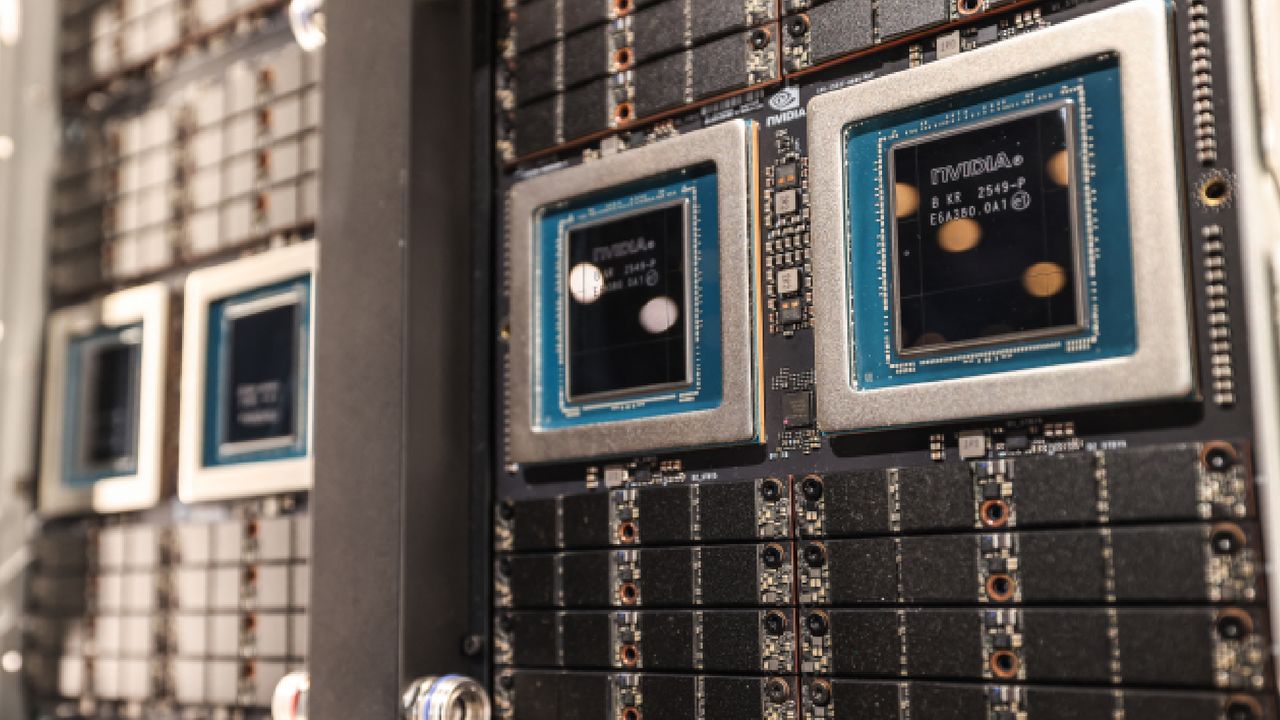
  31. NVIDIA's RTX Spark is an AI "superchip" that will power Windows laptops and desktops

    NVIDIA has unveiled its RTX Spark superchip, designed to power Windows laptops and desktops with advanced AI capabilities. This new System-on-Chip (SoC) integrates an Arm CPU and a Blackwell GPU, promising up to 1 petaflop of AI computing power and up to 128GB of unified memory. NVIDIA CEO Jensen Huang envisions this chip as a key component in transforming PCs into AI agent-driven devices, moving beyond traditional user interfaces. The company is collaborating closely with Microsoft to optimize Windows 11 for the RTX Spark, aiming for enhanced efficiency and performance in AI tasks. AI

    NVIDIA's RTX Spark is an AI "superchip" that will power Windows laptops and desktops

    IMPACT NVIDIA's entry into the consumer PC SoC market with RTX Spark could accelerate the adoption of AI agents and on-device AI processing for mainstream users.

  32. 🔮 The AI boom is becoming an entrepreneurship boom #577

    Nvidia's reliance on Asian supply chains for components has increased to 90% of its production costs, impacting newer products like the Jetson Thor platform and automotive SoCs. This dependency strains wafer capacity and memory supply, even as the company commits to U.S. manufacturing. Meanwhile, the broader AI market faces scrutiny, with concerns about a potential bubble and the financial health of older startups, while some AI stocks are outperforming Nvidia and others are experiencing dips. AI

    🔮 The AI boom is becoming an entrepreneurship boom #577

    IMPACT Nvidia's supply chain shifts and broader market concerns about AI valuations could impact hardware availability and investment strategies.

  33. South Korea's May trade data shows chip exports remain strong

    Nvidia is reportedly acquiring assets from AI chip startup Groq for approximately $20 billion, marking its largest deal to date. This acquisition aims to integrate Groq's low-latency inference technology into Nvidia's AI factory architecture. While Nvidia is licensing Groq's intellectual property and hiring key personnel, Groq will continue to operate as an independent company, with its cloud business unaffected. AI

    IMPACT Accelerates Nvidia's AI inference capabilities and potentially broadens its custom chip offerings.

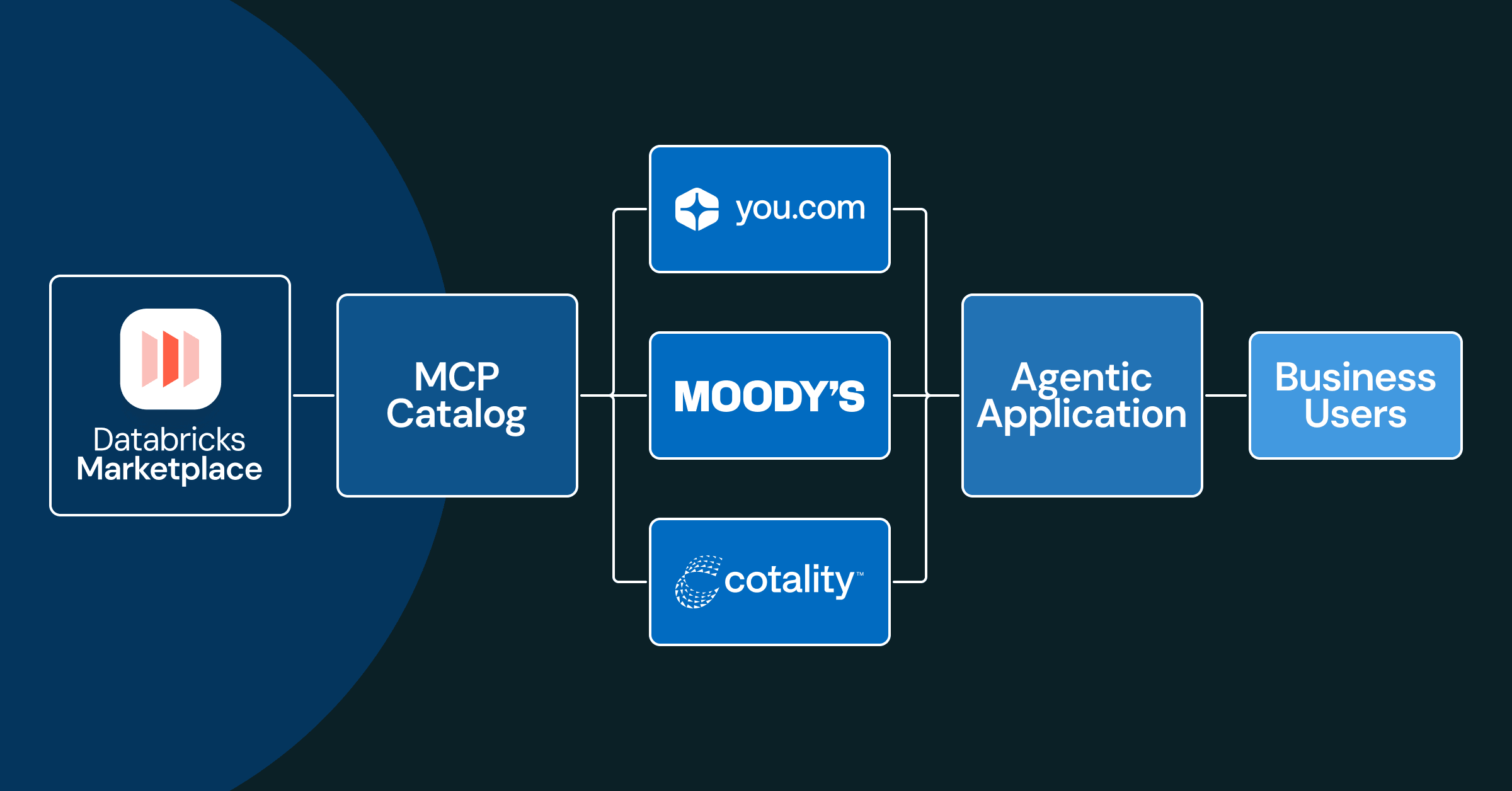
  34. MCP Marketplace Brings Real-Time Intelligence to Agentic Applications

    Multiple open-source projects and platforms are emerging to standardize AI agent interactions through the Model Context Protocol (MCP). These initiatives aim to enable AI agents to access real-time data, external tools, and complex workflows via a unified interface. Key developments include command-line clients for MCP, frameworks for representing agents as MCP servers, and cloud-hosted solutions for integrating various data sources and services. AI

    MCP Marketplace Brings Real-Time Intelligence to Agentic Applications

    IMPACT Standardization around MCP is likely to accelerate the development and integration of AI agents, enabling more complex and interconnected AI systems.

  35. Computer-Using Agent

    OpenAI and Google DeepMind are advancing AI agents for software development and security. OpenAI's Codex is being leveraged to write entire codebases with minimal human intervention, as demonstrated by Harness Engineering's internal beta product. Google DeepMind has introduced CodeMender, an AI agent designed to automatically identify and fix software vulnerabilities, and AlphaEvolve, which uses Gemini models to discover and optimize algorithms for applications like data center efficiency and chip design. Meta is also investing heavily in its own AI infrastructure with the development of its MTIA chip family, aiming to power AI experiences for billions of users. AI

    Computer-Using Agent

    IMPACT These advancements signal a rapid evolution in AI agent capabilities and infrastructure, potentially accelerating software development, improving code security, and optimizing complex computational tasks.

  36. Can OpenAI’s ‘Master of Disaster’ Fix AI’s Reputation Crisis?

    OpenAI has announced a significant partnership with SAP to launch 'OpenAI for Germany,' aiming to bring advanced AI capabilities to the German public sector while prioritizing data sovereignty and security on Microsoft Azure. The company also proposed policy recommendations to the U.S. White House for the national AI Action Plan, focusing on innovation freedom, export controls, copyright, infrastructure, and government adoption. Additionally, OpenAI is collaborating with U.S. National Laboratories to leverage its reasoning models for scientific breakthroughs and national security initiatives. AI

    Can OpenAI’s ‘Master of Disaster’ Fix AI’s Reputation Crisis?

    IMPACT OpenAI's strategic partnerships and policy proposals signal a push for broader AI adoption in public sectors and national infrastructure, influencing future AI development and regulation.