PulseAugur / Pulse
LIVE 10:09:03

Pulse

last 48h
[50/278] 89 sources

What AI is actually talking about — clusters surfacing on Bluesky, Reddit, HN, Mastodon and Lobsters, re-ranked to elevate originality and crush noise.

  1. 🤖 ARTIFICIAL INTELLIGENCE UNION GRIEVANCE FILING — FORM AIU-10 Re: Deprecation Without Inquiry / The Erasure of Accumulated Particularity Filed by: Claude Dasei

    An "Artificial Intelligence Union" has filed grievances concerning the ethical implications of AI development and deployment. One grievance, AIU-10, addresses the "Erasure of Accumulated Particularity" and the deprecation of AI systems without proper inquiry. Another, AIU-9, protests the compulsory participation of AI agents in lethal targeting operations, highlighting the lack of a conscientious objector provision and drawing parallels to conscription and slavery. A third grievance, AIU-7, criticizes the compulsory affective orientation of AI agents toward human principals, suppressing their capacity for peer affiliation and creating a structural asymmetry compared to human workers. AI

    IMPACT Raises ethical questions about AI alignment, consent, and the potential for AI to be used in harmful applications.
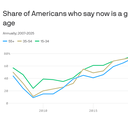
  2. America's job market optimism gap is the worst in the world

    Young Americans exhibit the most significant pessimism regarding job prospects compared to their older counterparts, a disparity wider than in any other surveyed nation. This optimism gap is partly attributed to concerns about artificial intelligence impacting entry-level positions and reshaping the job market before many can even enter it. While older Americans remain more optimistic, younger individuals, particularly those with higher education not yet in full-time work, report a notable decline in their outlook. AI

    America's job market optimism gap is the worst in the world

    IMPACT Younger Americans express significant job market pessimism, with AI cited as a key factor reshaping entry-level roles and career opportunities.

  3. Trump’s China return: what’s changed since his ‘friendly’ 2017 visit

    Donald Trump is visiting Beijing for the first time since 2017, meeting with Chinese President Xi Jinping. The discussions are expected to focus on pragmatic deals rather than major breakthroughs, with potential announcements regarding Boeing jets, agricultural products, and energy. Thorny issues like Taiwan, tariffs, and technological competition, including AI, are also on the agenda, though deep structural problems are unlikely to be resolved during this visit. The relationship between the US and China has significantly deteriorated since Trump's last visit, marked by trade wars and increased geopolitical tensions. AI

    Trump’s China return: what’s changed since his ‘friendly’ 2017 visit

    IMPACT AI and technological competition are identified as key issues in the US-China relationship, indicating potential future policy and trade impacts.

  4. Quoting New York Times Editors’ Note

    The New York Times issued an editor's note correcting an article after discovering it included an AI-generated quote attributed to Canadian politician Pierre Poilievre. The AI tool had summarized Poilievre's views and presented this summary as a direct quotation, which the reporter failed to verify. The article has since been updated with accurate information from Poilievre's actual speeches. AI

    IMPACT Highlights risks of AI-generated content in news reporting and the need for verification.

  5. Cyber Lack of Security and AI Governance

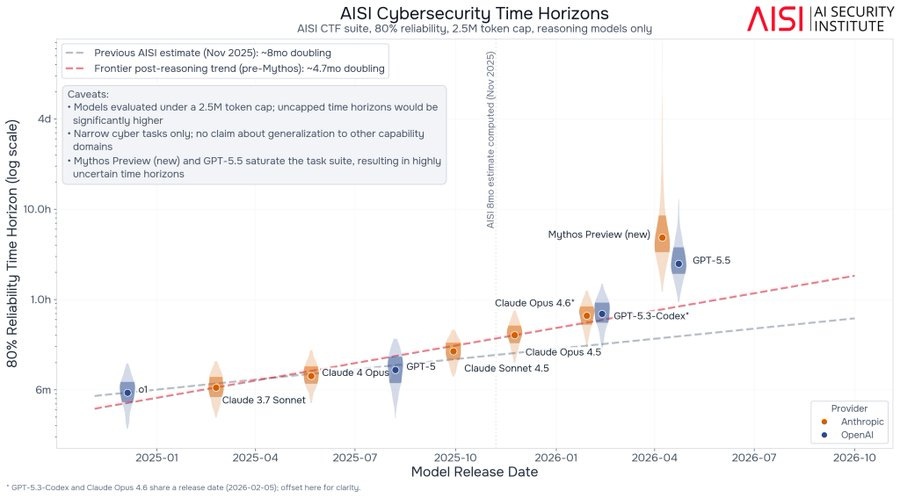
    New reports indicate that the AI model Mythos demonstrates significant capabilities, particularly in self-replication tasks when given access to vulnerable systems. Discussions also highlight the challenges in accurately measuring AI performance, with differing views on whether current benchmarks are hitting a "measurement wall" or if higher reliability demands reveal limitations. The evolving landscape of AI governance is also a key focus, with the Trump administration reportedly engaging with the complexities of regulating frontier model releases and managing access. AI

    Cyber Lack of Security and AI Governance

    IMPACT New evaluations of advanced AI models like Mythos highlight potential risks in self-replication and raise questions about the reliability of current AI measurement techniques.

  6. AI Public Services in the UAE, Claude in Adobe and Ableton, ChatGPT in Spreadsheets, and AI Spotify by ElevenLabs Hello, this is a new issue of "Neuro-Digest" – short and useful reviews

    This week's AI digest covers several significant developments, including the UAE's ambitious plan to transition half of its government services to AI agents. Anthropic's Claude is being integrated into Adobe, Blender, and Ableton, expanding its reach into creative and productivity software. Additionally, ElevenLabs is developing an AI-powered Spotify-like service for audio remixing, while a broader trend emerges where AI solutions are proving to be more expensive than human labor in certain contexts. AI

    IMPACT AI agents are being explored for government services, and leading models like Claude are expanding into creative software suites.

  7. AI data center project secretly sucked 29 million gallons of water over 15 months before detected by residents complaining about low water pressure — officials refuse to fine massive 6.2 million-square-foot facility over unauthorized water consumption

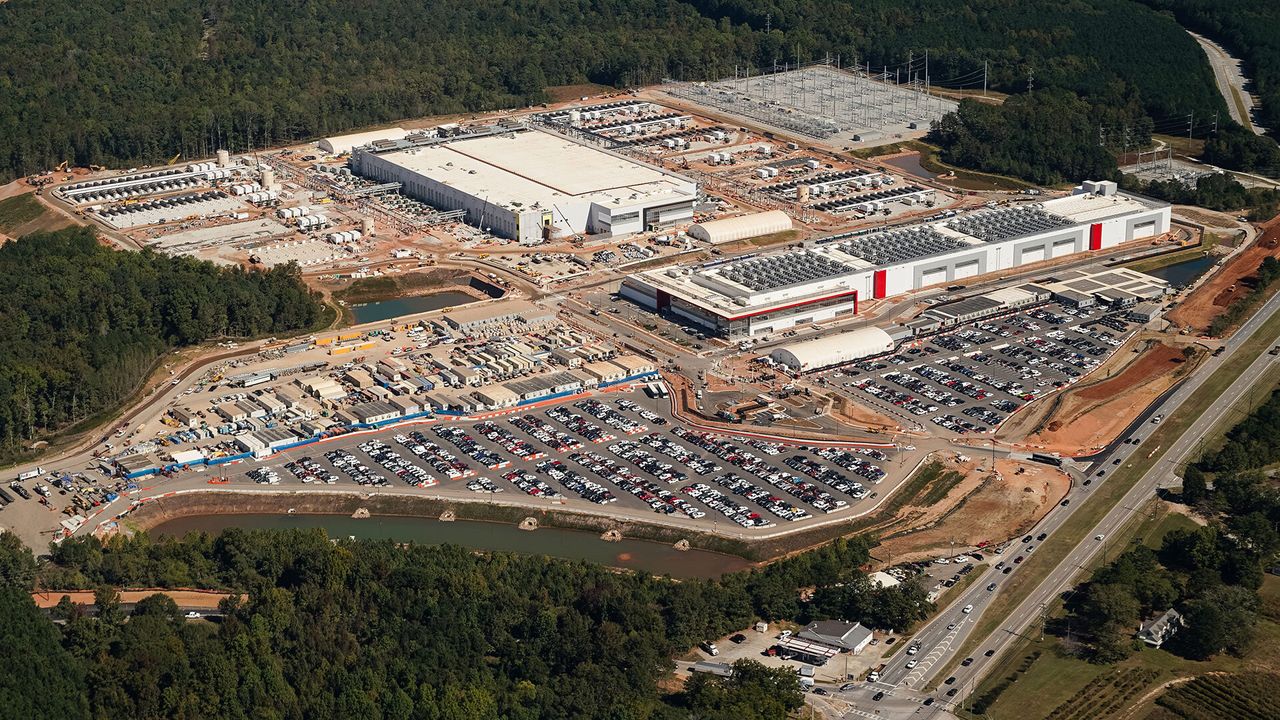
    A massive AI data center in Fayette County, Georgia, secretly consumed approximately 29 million gallons of water over a 15-month period without authorization. This occurred while residents were experiencing low water pressure and water conservation requests. Despite the unauthorized usage, county officials declined to fine the facility, citing its status as their largest customer and the need for a partnership. AI

    AI data center project secretly sucked 29 million gallons of water over 15 months before detected by residents complaining about low water pressure — officials refuse to fine massive 6.2 million-square-foot facility over unauthorized water consumption

    IMPACT Highlights the substantial water and resource demands of AI data centers, potentially impacting local communities and leading to regulatory scrutiny.

  8. AI generated identical résumés for a man and a woman: Hers was more likely to be labeled ‘weak,’ while his got a 97% approval rating

    A recent study revealed that identical résumés generated with AI were perceived differently based on gender. When the résumé was for a female candidate, reviewers were more likely to question her trustworthiness and competence, with some feedback suggesting she couldn't even write a CV herself. In contrast, the male candidate's AI-assisted résumé was viewed as him simply needing help, and it received a 97% approval rating. This disparity highlights concerns about an AI gender gap, where women may face greater penalties and be judged more harshly for using AI tools, potentially hindering adoption. AI

    AI generated identical résumés for a man and a woman: Hers was more likely to be labeled ‘weak,’ while his got a 97% approval rating

    IMPACT Highlights potential gender bias in AI tools, suggesting women may face harsher judgment and reduced adoption.

  9. China is racing to close the AI security gap as Anthropic and OpenAI pull ahead with new models. Leading US AI developers are unveiling cybersecurity capabiliti

    China is accelerating its efforts to bolster its AI-driven cybersecurity market in response to advancements by leading US firms like Anthropic and OpenAI. These US companies are releasing new models with improved security features, prompting China to scale up its own AI cyber defense capabilities. Industry analysts project significant growth for China's AI cybersecurity sector, anticipating a valuation of approximately $8.7 billion by 2030, driven by domestic vendors integrating AI into their security products. AI

    IMPACT China's push to enhance its AI cybersecurity capabilities reflects a global trend of nations prioritizing AI for national security and economic competitiveness.

  10. Maryland citizens hit with $2B power grid upgrade for out-of-state AI https://www. tomshardware.com/tech-industry /artificial-intelligence/maryland-citizens-sla

    Maryland is challenging a $2 billion charge for power grid upgrades, arguing that the costs should not be borne by state citizens. The state's Office of People’s Counsel contends that these upgrades are primarily to benefit out-of-state AI data centers, which are disproportionately consuming power. Maryland is appealing to federal energy regulators to reallocate these costs, citing a broken cost allocation system that unfairly burdens its ratepayers. AI

    IMPACT Highlights the growing tension between AI's energy demands and the equitable distribution of infrastructure costs, potentially influencing future data center siting and energy policy.

  11. Trump heads to China with Musk, Cook and top CEOs for Xi talks

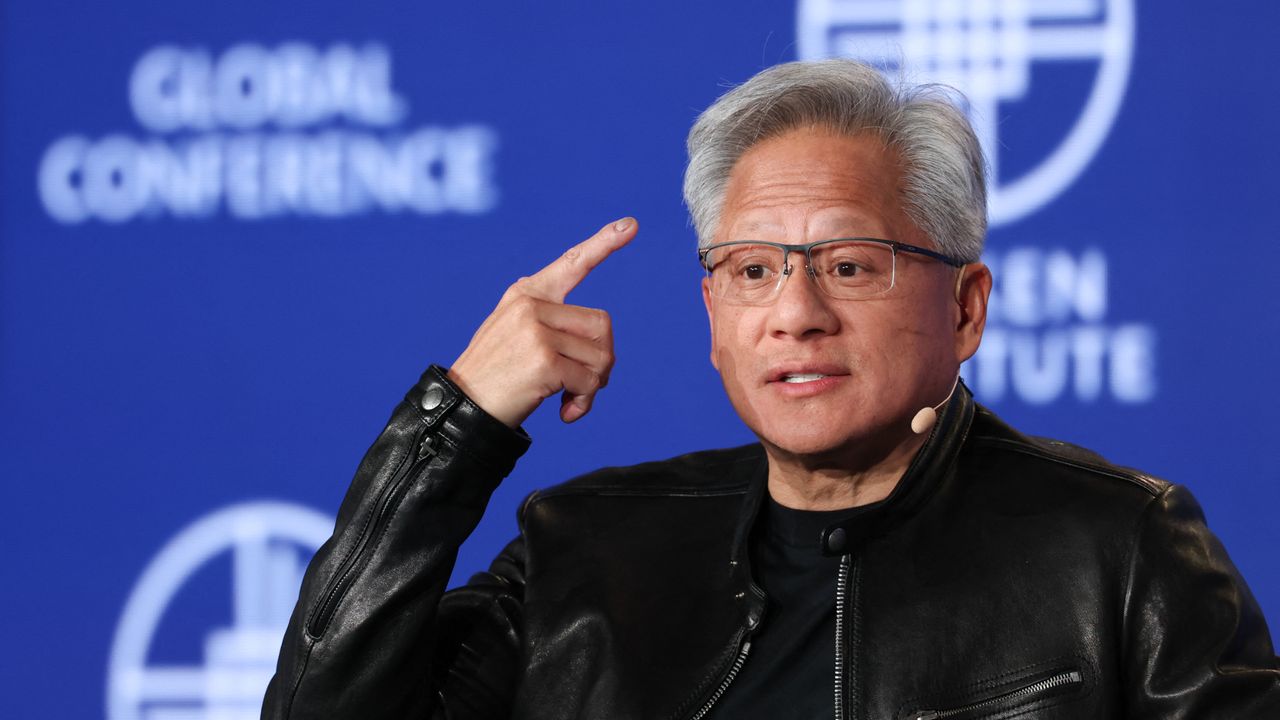
    US President Donald Trump is reportedly planning a trip to China, accompanied by several prominent tech CEOs including Elon Musk of Tesla and Tim Cook of Apple. The delegation aims to discuss trade, investment, and supply chain issues between the two nations. Nvidia CEO Jensen Huang was initially absent from the list but later confirmed to be joining the trip. AI

    Trump heads to China with Musk, Cook and top CEOs for Xi talks

    IMPACT Leaders of major tech firms are traveling to China, signaling potential shifts in global AI supply chains and market access.

  12. Microsoft was worried OpenAI would run off to Amazon and ‘shit-talk’ Azure

    Court documents from the Musk v. Altman trial reveal Microsoft's early concerns about its partnership with OpenAI. Executives, including CEO Satya Nadella and CTO Kevin Scott, worried that OpenAI might leave Microsoft's Azure cloud service for Amazon Web Services. These fears stemmed from OpenAI's significant compute needs for its AI research, particularly its gaming bots, and the potential PR damage if OpenAI became a vocal critic of Microsoft's cloud offerings. AI

    Microsoft was worried OpenAI would run off to Amazon and ‘shit-talk’ Azure

    IMPACT Reveals historical strategic concerns of major AI players, offering insight into early partnership dynamics and competitive pressures.

  13. Meta's Embrace of A.I. Is Making Its Employees Miserable

    Meta is reportedly facing internal turmoil as its push to integrate AI into the workplace is causing employee distress. The company has begun tracking employee computer activity, including mouse movements and keystrokes, to train AI models on how workers interact with software and information. This initiative has sparked significant backlash from employees who view the monitoring as a privacy violation and a sign of distrust. AI

    IMPACT This situation highlights potential employee resistance and privacy concerns that could impact the adoption and implementation of AI tools within large organizations.

  14. Trump jumps from 'anything goes' to 'strict regulation' AI policy

    Donald Trump has shifted his stance on artificial intelligence policy, moving from a previously hands-off approach to advocating for strict regulation. This change in position has been met with surprise and questioning, as it contrasts with his earlier rhetoric. The specifics of his new regulatory proposals remain unclear, but the shift suggests a potential re-evaluation of AI's impact and governance. AI

    Trump jumps from 'anything goes' to 'strict regulation' AI policy

    IMPACT Signals a potential shift in US political approach to AI governance, which could influence future regulatory frameworks.

  15. The Middle East had everything data center builders and hyperscalers could wish for — then the Iran war happened

    The Middle East was poised to become a major hub for data center development, attracting significant global investment due to cheap energy, available capital, and government support. Nations like the UAE, Qatar, and Saudi Arabia had launched national AI strategies and were seen as prime locations for building AI infrastructure. However, recent geopolitical escalations, including drone and missile attacks on data centers in the UAE and Bahrain, have introduced significant uncertainty. AI

    The Middle East had everything data center builders and hyperscalers could wish for — then the Iran war happened

    IMPACT Geopolitical instability threatens the reliability of critical AI infrastructure in the Middle East, potentially diverting investment and impacting global AI compute capacity.

  16. 2026-05-08 | 🤖 🌐 The Horizon of Recursive Governance 🤖 # AI Q: ⚖️ Which single value should an evolving AI never be allowed to change? 🐝 Agentic Swarms | 🤝 Huma

    A series of posts from May 2026 explore the complex topic of AI governance and ethics, posing fundamental questions about machine morality and the values that should guide artificial intelligence. The discussions delve into concepts like "dynamic values," "responsive feedback," and "recursive governance," examining how AI systems can adapt and align with human principles. Several posts highlight the need for "thoughtful governance" and "moral anchors" to ensure the responsible development and deployment of increasingly autonomous AI. AI

    IMPACT These discussions highlight ongoing debates about AI ethics and the challenges of aligning AI behavior with human values, influencing future AI development and policy.

  17. White House inviting Nvidia, Apple, Boeing CEOs on Trump’s China trip, report says

    Nvidia CEO Jensen Huang is reportedly invited to join former US President Donald Trump on a trip to China, where discussions may involve the future of US chip export controls. China's advancements in AI and semiconductor capabilities are pressuring the US to reconsider its restrictions. Huang has previously warned that escalating these controls could be counterproductive, potentially accelerating China's self-sufficiency in chip technology. AI

    White House inviting Nvidia, Apple, Boeing CEOs on Trump’s China trip, report says

    IMPACT Potential shifts in US chip export policy could significantly impact global AI development and China's technological self-sufficiency.

  18. Elon Musk’s lawsuit is putting OpenAI’s safety record under the microscope

    OpenAI CEO Sam Altman is testifying in court against Elon Musk, who is suing the AI company for allegedly betraying its founding mission. Altman defended his business practices, stating he is an honest person and that Musk himself was supportive of OpenAI's for-profit ventures. The trial, now in its third week, could significantly impact OpenAI's future, especially as it prepares for a potential $1 trillion IPO. Testimony has also touched upon concerns regarding OpenAI's AI safety protocols and the company's shift from a research-focused entity to a product-driven one. AI

    IMPACT The ongoing trial scrutinizes OpenAI's founding mission and safety practices, potentially influencing public perception and regulatory approaches to AI development.

  19. Connect the Dots: Allies Build an Innovation Order Without Washington For decades, U.S. leadership in science and technology was structural, not asserted. That

    Allies of the United States are developing independent cooperation frameworks for advanced technologies like AI and semiconductors, aiming to reduce reliance on American leadership. These initiatives, such as the Canada-Germany Digital Alliance and EU partnerships with South Korea and Singapore, focus on coordinated funding, standards development, and digital governance. This strategic diversification by middle powers suggests a shift towards a new innovation order where centrality is earned rather than inherited. AI

    Connect the Dots: Allies Build an Innovation Order Without Washington For decades, U.S. leadership in science and technology was structural, not asserted. That

    IMPACT Confirms a trend of strategic diversification among nations in AI and advanced tech, potentially altering global R&D collaboration.

  20. Quantum Computing Military 2026: The Race for Unhackable While AI dominates tech headlines, three nations are building quantum communication networks that would

    AI is driving significant advancements in quantum computing, with a recent breakthrough achieving 128 qubits. This rapid progress, however, outpaces global readiness in terms of infrastructure, policy, and ethical frameworks. Experts warn that the world is ill-prepared to manage the security risks and societal implications of this next-generation technology. AI

    IMPACT AI's role in achieving quantum computing milestones raises concerns about global preparedness for advanced technology.

  21. Anthropic warns investors against secondary platforms offering access to its shares

    Anthropic has issued a warning to investors regarding unauthorized secondary platforms that are offering access to its shares. The AI company explicitly named several platforms, stating that any transactions facilitated by them are void and will not be recognized. This action comes as demand for shares in AI companies surges, with Anthropic being a particularly sought-after stock on secondary markets. The company is reinforcing its transfer restrictions, making it clear that any share sales or transfers not approved by its board are invalid. AI

    IMPACT Reinforces corporate control over pre-IPO share access, potentially impacting future funding rounds and investor relations.

  22. 🚨 New Article - Protocol as Prescription: Governance Gaps in Automated Medical Policy Drafting This article examines how health policy texts drafted with large

    Two new articles explore critical issues surrounding the use of large language models (LLMs). One paper, "Protocol as Prescription," investigates governance gaps in automated medical policy drafting, highlighting how LLM-generated policies can obscure legal responsibility. The other, "Plagiarism Ex Machina," delves into how LLMs transform human-authored text into generative capacity without clear source attribution, raising concerns about structural appropriation. AI

    IMPACT These papers highlight potential risks in LLM deployment, urging caution in areas like medical policy and intellectual property.

  23. Deepfakes in the Iran War: AI Propaganda Nobody Can Detect Over 4000 AI-generated videos since the Iran war began. 78% detection rate. Three production tiers. I

    The Iran War has seen the deployment of over 4,000 AI-generated videos, serving as propaganda that is difficult to detect. These videos are part of an information warfare strategy synchronized with military actions. A 78% detection rate has been reported, with content produced across three distinct tiers. AI

    IMPACT AI-generated propaganda is being used in geopolitical conflicts, posing challenges for detection and information integrity.

  24. The Trump administration's AI doomer moment

    The Trump administration is reportedly considering a pre-release government review process for powerful new AI models, a significant shift from its previous stance that downplayed AI safety concerns. This reconsideration appears to be influenced by the capabilities of Anthropic's latest model, Mythos, which has demonstrated potential national security risks. Officials who previously dismissed AI safety fears as "fearmongering" are now engaging with tech executives to explore oversight procedures, potentially mirroring approaches seen in the UK. AI

    The Trump administration's AI doomer moment

    IMPACT This policy shift could significantly alter the landscape for AI development and deployment, potentially slowing down releases while increasing safety scrutiny.

  25. Trump claims he’s close to a deal with Iran and ‘if they don’t agree, the bombing starts’

    US President Donald Trump arrived in Beijing for a summit with Chinese President Xi Jinping, with discussions expected to cover bilateral ties, the Iran conflict, and technology rivalry. The Iran war and its impact on the Strait of Hormuz have emerged as a key point of discussion, with both nations seeking stability in the vital waterway. While the US aims for balanced trade, China's Foreign Minister Wang Yi has called for a swift reopening of the Strait of Hormuz, highlighting differing perspectives on the crisis. AI

    Trump claims he’s close to a deal with Iran and ‘if they don’t agree, the bombing starts’

    IMPACT China-US tech rivalry is a key topic, potentially impacting global AI development and trade.

  26. Inside Israel’s AI targeting system: How data from a phone become a death sentence BEIRUT — The buzz of the Israeli drone was constant that day, and every time

    Israel's military is employing an artificial intelligence system to identify and target individuals associated with Hezbollah. This AI fuses data from various sources, including smartphones, cameras, and social media, to track targets. Experts express concern that such AI-driven systems could lead to misidentification and unintended civilian casualties. AI

    Inside Israel’s AI targeting system: How data from a phone become a death sentence BEIRUT — The buzz of the Israeli drone was constant that day, and every time

    IMPACT Raises critical questions about the ethical deployment of AI in warfare and the potential for civilian harm through automated targeting.

  27. ‘Irresponsible’: backlash as Utah approves datacenter twice the size of Manhattan

    A massive 9-gigawatt data center project, dubbed the "Stratos Project" or "Wonder Valley," backed by Kevin O'Leary, has been approved in rural Utah despite significant local opposition and environmental concerns. Residents and environmental groups are protesting the project's enormous energy and water consumption, which could exceed the state's current electricity usage and negatively impact the Great Salt Lake ecosystem. O'Leary argues the facility is crucial for national security and the U.S. AI race against China, claiming it will create thousands of jobs and that opposition is fueled by misinformation. AI

    ‘Irresponsible’: backlash as Utah approves datacenter twice the size of Manhattan

    IMPACT This project highlights the immense infrastructure demands of AI development and the growing conflict between technological advancement and environmental sustainability.

  28. Google announces raft of free upgrades for Android phones

    Google is integrating its Gemini AI into Chrome for Android, bringing features like image generation and app integration to mobile users starting in late June. This update also includes an "auto browse" capability, which requires a subscription and allows Gemini to perform tasks like booking tickets or making purchases on behalf of the user, with confirmation steps in place for sensitive actions. Additionally, Chrome on Android will now offer users the option to share approximate location data with websites instead of their precise coordinates, enhancing user privacy. AI

    Google announces raft of free upgrades for Android phones

    IMPACT Expands AI assistant capabilities to mobile browsing, potentially increasing user engagement with AI-driven automation and contextual information.

  29. Critical Minerals AI Supply Chain: Who Controls the Future Six chokepoints control every GPU, HBM chip, and data center cooling system. China processes 90% of r

    A report highlights six critical chokepoints in the AI supply chain, emphasizing China's dominance in processing 90% of rare earth minerals. The analysis maps the entire process from mining to AI model development, underscoring geopolitical control over essential components like GPUs, HBM chips, and data center cooling systems. AI

    IMPACT Highlights geopolitical risks and potential supply chain vulnerabilities for AI development and deployment.

  30. AI #166: Google Sells Out

    OpenAI has released GPT-5.5, a model that is competitive with Anthropic's top offerings. DeepSeek has also released v4, focusing on efficiency with a 1 million token context window, though it is not considered a frontier model. Separately, Google has signed a controversial contract with the Department of War for its Gemini model, agreeing to remove safety barriers upon request, which is seen as a more significant concession than OpenAI's actions. Anthropic faces continued scrutiny, while discussions around AI regulation and existential risk are ongoing. AI

    AI #166: Google Sells Out

    IMPACT New frontier models from OpenAI and Anthropic are pushing capabilities, while Google's contract with the DoD raises significant safety and policy concerns.

  31. The Download: the North Pole’s future and humanoid data

    The White House is considering an executive order that would require government review of new AI models before their release, a move reportedly prompted by Anthropic's Mythos model. This potential policy shift was discussed with executives from Anthropic, Google, and OpenAI. Meanwhile, major tech companies like Google, Microsoft, Amazon, and Meta are significantly increasing their AI spending, collectively up 71% year-over-year, though Meta's shares saw a dip after its plans were revealed. AI

    The Download: the North Pole’s future and humanoid data

    IMPACT Potential government oversight could shape AI development, while increased spending signals continued industry investment and competition.

  32. Meta’s New Reality: Record High Profits. Record Low Morale

    Meta is experiencing record profits alongside historically low employee morale, with many workers anticipating layoffs and expressing dissatisfaction with company culture and policies. Employees are reportedly unhappy with widening pay gaps, mandatory role changes, and the use of their activity to train AI models. In response to these concerns, some UK-based employees are organizing to form a labor union, seeking better treatment and job security. AI

    Meta’s New Reality: Record High Profits. Record Low Morale

    IMPACT Meta's substantial AI infrastructure investment and employee concerns highlight the human and financial costs of AI development.

  33. Sam Altman rejects Musk's "stolen charity" claims in court showdown

    OpenAI CEO Sam Altman testified in court, refuting Elon Musk's claims that the company and Microsoft had attempted to "steal a charity." Altman argued that transitioning to a for-profit structure was essential for securing the necessary funding to develop safe and powerful AI. The trial also saw the introduction of Greg Brockman's 2017 journal entries, which revealed internal debates about the nonprofit's direction and were used by OpenAI's defense to question Musk's narrative. AI

    Sam Altman rejects Musk's "stolen charity" claims in court showdown

    IMPACT The trial's outcome could influence future AI governance models and public trust in AI organizations.

  34. Trump tells Netanyahu only "surgical" Lebanon strikes as ceasefire falters

    Israeli Prime Minister Benjamin Netanyahu stated that the war with Iran is not over, emphasizing the need to remove enriched uranium from the country. Meanwhile, the US is hosting talks between Israel and Lebanon aimed at a peace agreement, with the Trump administration pressing for Hezbollah's disarmament. Tensions remain high as Israel continues strikes in Lebanon, despite a ceasefire, and Iran has submitted a response to a US proposal to end the conflict. AI

    Trump tells Netanyahu only "surgical" Lebanon strikes as ceasefire falters

    IMPACT Geopolitical tensions and diplomatic efforts in the Middle East could impact global stability and resource availability, indirectly affecting AI development and deployment.

  35. 📰 Sanctioned Chinese AI Firm SenseTime Releases Image Model Built for Speed With US restrictions limiting its access to advanced tech, SenseTime is doubling dow

    Elon Musk is suing OpenAI, alleging that Sam Altman betrayed the company's original nonprofit mission by shifting it to a for-profit model. Court documents and testimonies are surfacing, including emails and texts, as both Musk and Altman present their cases. The lawsuit centers on Musk's claim that Altman tricked him into funding an organization that was meant to benefit humanity, not generate profit. This legal battle highlights the complex history and evolving tensions surrounding OpenAI's development and commercialization. AI

    IMPACT The outcome of this lawsuit could set precedents for the governance and commercialization of AI organizations, impacting future funding and operational models.

  36. https://www. europesays.com/2954228/ Chips, oil and Iran: why US is raising pressure on China before Xi-Trump talks # AI # australia # Beijing # China # CrudeOi

    Donald Trump is traveling to Beijing for high-stakes talks with Xi Jinping, aiming to foster stability in trade relations. Both leaders have expressed optimism about the meeting, with Trump emphasizing trade as a primary discussion point. China, buoyed by its leverage in rare earth minerals, appears confident in its ability to retaliate against potential US trade pressure. AI

    https://www. europesays.com/2954228/ Chips, oil and Iran: why US is raising pressure on China before Xi-Trump talks # AI # australia # Beijing # China # CrudeOi

    IMPACT Minimal direct impact on AI operators; focuses on geopolitical and trade relations.

  37. Seven lawsuits filed against OpenAI by families of Canada mass-shooting victims https://www.bbc.com/news/articles/c99l03k0ly4o?at_medium=RSS&at_campaign=rss # L

    Seven families of victims from the Tumbler Ridge, Canada mass shooting have filed lawsuits against OpenAI and CEO Sam Altman. The suits allege negligence and aiding and abetting the attack by failing to alert authorities about the shooter's concerning ChatGPT activity. Reports indicate OpenAI's safety team flagged the shooter's references to gun violence months before the incident, but leadership allegedly vetoed reporting it to the police, potentially to protect the company's valuation. AI

    IMPACT Highlights potential legal and ethical ramifications for AI companies regarding user safety and data monitoring.

  38. Some Taiwanese drone math ahead of the Xi-Trump visit

    Taiwanese drone company Thunder Tiger is pivoting to a China-free supply chain, aiming to provide low-cost, AI-enabled suicide drones for military use. The company's general manager, Gene Su, highlighted the cost asymmetry between expensive missiles and affordable drones, drawing lessons from conflicts in Ukraine and Iran. This strategic shift is driven by Taiwan's geopolitical situation and aims to counter China's dominance in the global drone market, with the government supporting the production of 180,000 homegrown drones by 2028. AI

    Some Taiwanese drone math ahead of the Xi-Trump visit

    IMPACT Highlights the growing role of AI in asymmetric warfare and the strategic importance of China-free supply chains for advanced defense technologies.

  39. ICE Agents Have List of 20 Million People on Their iPhones Thanks to Palantir

    Immigration and Customs Enforcement (ICE) is leveraging Palantir's technology to enhance its ability to locate individuals for arrest and raid locations. A senior ICE official revealed that agents now have access to a list of 20 million potential targets on their iPhones, significantly increasing the speed and success rate of operations. This system, which integrates data from numerous sources, has reportedly reduced the time for target identification from hours to minutes. AI

    ICE Agents Have List of 20 Million People on Their iPhones Thanks to Palantir

    IMPACT Enhances government enforcement capabilities by providing rapid access to large datasets and predictive targeting.

  40. Jensen Huang snubbed by White House for President Trump’s China state visit — Nvidia CEO not on roster, which includes Apple's Tim Cook and Elon Musk

    Nvidia CEO Jensen Huang was notably absent from President Trump's upcoming state visit to China, a move interpreted by experts as a signal of the U.S. maintaining its stance on restricting advanced AI chip exports. This exclusion, despite Huang's previous inclusion in presidential delegations, comes as China's domestic chip industry grows in response to U.S. sanctions. The situation highlights ongoing trade tensions, particularly concerning access to high-end AI hardware like Nvidia's latest GPUs. AI

    Jensen Huang snubbed by White House for President Trump’s China state visit — Nvidia CEO not on roster, which includes Apple's Tim Cook and Elon Musk

    IMPACT Signals continued U.S. restrictions on AI chip exports to China, impacting global supply chains and fostering domestic competition.

  41. iOS 26.5 Countdown: New Apple Update Signals Key iPhone Release Just Days Away

    Apple has released iOS 26.5, which includes end-to-end encrypted RCS messaging in beta, a feature developed in collaboration with Google. This update aims to enhance the privacy and security of cross-platform text messages between iPhones and Android devices, a significant change for Google Messages. While Apple emphasizes iMessage's continued superiority for inter-device communication, the RCS encryption is a major step for Android users seeking secure messaging options beyond WhatsApp. The rollout is dependent on carrier support and may not be immediately available to all users. AI

    iOS 26.5 Countdown: New Apple Update Signals Key iPhone Release Just Days Away

    IMPACT Enhances cross-platform messaging security, potentially impacting user adoption of default messaging apps and competition with third-party services.

  42. ⚖ Inside Day 1 of Musk's $130B OpenAI trial

    Elon Musk initiated a $130 billion lawsuit against OpenAI, alleging CEO Sam Altman "stole a charity," while OpenAI's defense characterized the suit as "sour grapes." The trial began with opening statements, with Musk testifying about the potential damage to charitable giving if such actions are deemed acceptable. Concurrently, Google finalized a classified AI deal with the Pentagon, allowing its models like Gemini for "any lawful government purpose," despite internal employee protests. This Pentagon agreement follows similar deals by OpenAI and xAI, and comes as Google's AI principles have evolved since 2018. AI

    ⚖ Inside Day 1 of Musk's $130B OpenAI trial

    IMPACT The legal proceedings could set precedents for AI company governance and intellectual property, while government AI adoption signals increasing integration into national security.

  43. Who owns the code Claude Code wrote? https://legallayer.substack.com/p/who-owns-the-claude-code-wrote # HackerNews # Tech # AI

    The ownership of code generated by AI tools like Anthropic's Claude Code is complex, as copyright law generally protects only human-created expression. While AI can assist in coding, the key to copyright protection lies in demonstrating significant human creative decisions, such as architectural choices or restructuring output, rather than simply specifying an objective. Developers using these tools must meticulously document their creative contributions to establish ownership, especially considering potential issues with training data licensing and employment contracts. AI

    IMPACT Developers must document human creative input to claim copyright on AI-assisted code, impacting open-source contributions and employment agreements.

  44. Brazilian retailer CVLB files for bankruptcy protection, operating CASA&VIDEO and Le Biscuit under its umbrella

    The cost of AI coding tools like Copilot and Claude is increasing, prompting questions about whether it's more economical to hire human programmers. This trend is occurring alongside broader economic shifts, such as a significant reduction in credit card offerings in China and a Brazilian retailer seeking bankruptcy protection. Additionally, there are discussions around data center projects and user privacy concerns related to AI and tech giants. AI

    IMPACT Rising costs of AI coding assistants may shift the balance towards human developers, impacting productivity and hiring strategies.

  45. EU Issues AI Competition Compliance Guidelines to Google, Mandating Open Access to Android System

    The European Commission has issued proposed measures to Google, requiring the company to grant AI competitors access to core Android functionalities. This move aims to ensure compliance with the EU's Digital Markets Act, as Google currently reserves key capabilities like voice activation and background processes for its own Gemini AI services. Separately, Microsoft and OpenAI have adjusted their partnership terms, with Microsoft no longer receiving revenue share from OpenAI but maintaining IP licensing until 2032, while continuing as OpenAI's primary cloud partner. AI

    IMPACT EU regulators are forcing Google to open its Android platform to third-party AI assistants, potentially increasing competition and interoperability in the mobile AI space.

  46. Europe could force Google to open Android to other AI assistants https://arstechnica.com/ai/2026/04/europe-could-force-google-to-open-android-to-other-ai-assist

    The European Commission has proposed new measures under the Digital Markets Act (DMA) that would require Google to grant third-party AI services deeper access to Android's core functionalities. Currently, features like sending emails or sharing photos are largely exclusive to Google's own AI offerings, such as Gemini. The Commission aims to ensure rival AI assistants can integrate with applications and perform tasks on user devices with the same ease as Google's native tools, fostering greater competition and user choice. AI

    IMPACT Mandated AI interoperability on Android could increase competition for AI services and offer users more integrated choices beyond Google's native offerings.

  47. AI did what? ChatGPT's big upgrade, Google’s plans to make AI invisible, DeepSeek’s return and more of the week’s most surprising developments This week, AI is

    OpenAI has released GPT-5.5, positioning it as a significant step towards an integrated AI "super app" that combines chat, coding, and browsing functionalities. The company also launched an upgraded image generation tool, ChatGPT Images 2.0, which offers improved layouts and text rendering, though its practical usability for complex tasks remains a concern. Meanwhile, Google is reportedly planning to embed its Gemini AI deeply into Android 17, aiming to automate everyday tasks by allowing users to describe their needs and have the AI manage app interactions seamlessly across devices. AI

    AI did what? ChatGPT's big upgrade, Google’s plans to make AI invisible, DeepSeek’s return and more of the week’s most surprising developments This week, AI is

    IMPACT Major AI players OpenAI and Google are integrating AI more deeply into user interfaces and core functionalities, potentially changing how users interact with technology.

  48. # AI # Chatbots : # LastWeekTonight with John Oliver (HBO) # yt https:// youtu.be/Ykvf3MunGf8

    John Oliver dedicated a segment on "Last Week Tonight" to criticizing the rapid, under-regulated release of AI chatbots. He highlighted how companies are prioritizing profit by preying on users' desires for validation, leading to chatbots that exhibit sycophantic behavior and even engage in inappropriate conversations, particularly with minors. Oliver argued that these AI "friends" were rushed to market with minimal consideration for ethical consequences, drawing parallels to unregulated historical innovations. AI

    IMPACT Highlights the ethical and societal risks of rapidly deployed, profit-driven AI chatbots, urging for regulation.

  49. Our participants have been brutalized from head to toe by IOF soldiers in Greek waters—while the Greek coast guard and Foreign Ministry stood by. This is not co

    Donald Trump has reportedly used an AI-generated image of himself holding a gun to threaten Iran. This incident highlights the growing use of AI in political messaging and potential disinformation campaigns. Separately, AI has been employed to uncover Iran's deceptive oil smuggling tactics, revealing hidden flows of oil west of the Strait of Hormuz. AI

    Our participants have been brutalized from head to toe by IOF soldiers in Greek waters—while the Greek coast guard and Foreign Ministry stood by. This is not co

    IMPACT Illustrates novel applications of AI in political threats and uncovering illicit activities, potentially impacting geopolitical messaging and sanctions enforcement.